Address
Room 2301C, 23rd Floor, Building 1, jinghu Commercial center, No, 34, Liangzhuang Street, Eri District, Zhengzhou City, Henan province
Woours
Monday to Friday: 7AM - 7PM
Weekend: 10AM - 5PM
Address
Room 2301C, 23rd Floor, Building 1, jinghu Commercial center, No, 34, Liangzhuang Street, Eri District, Zhengzhou City, Henan province
Woours
Monday to Friday: 7AM - 7PM
Weekend: 10AM - 5PM

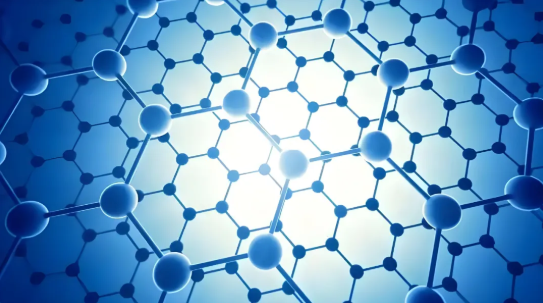
Polysilazane resin: It is an organic-inorganic hybrid polymer with a silicon-nitrogen bond (Si-N) as the main chain. Due to its unique chemical structure and properties, it has important applications in many fields.
Product Application
The application of polysilazane resin as a new type of coating material has gradually expanded from the military field to the civilian production field. Its use in industrial and other coating fields is inseparable from its excellent substrate adhesion mechanism.
Military Applications:
Thermal and environmental barrier coatings.
Lightweight ceramics for aircraft fuselages and wings, and automotive exteriors and interiors.
Used for mass production of ceramic fibers for applications in engines and exhaust systems.
Specialized functional nanocoatings for dual-use in the military and civilian sectors.
Exhaust pipes, pistons, and heat exchangers for cars and trucks, etc.
Applications in the folk:
Insulation materials
Weather-resistant coatings for building exteriors
Antifouling paint for ships
Anti-graffiti materials, etc.
Features and application advantages:
High Hardness and Wear Resistance:
After curing, the hardness can reach over 8H, effectively resisting friction and wear, making it suitable for parts requiring high wear resistance.
High-Temperature Resistance:
Withstands temperatures exceeding 1800°C, exhibits low thermal weight loss, and achieves a ceramic yield exceeding 80%, making it suitable for applications in high-temperature environments.
Corrosion Resistance:
Excellent resistance to acids, alkalis, and solvents, protecting printed parts from chemical attack.
Strong Adhesion:
Excellent adhesion to a variety of substrates, including metal, glass, and ceramics, ensures the stability of printed parts.
Simplified Process:
Eliminates the need for traditional degreasing and high-temperature sintering processes, enabling a single step from gel extrusion to curing, improving production efficiency.
Polysilazane resin materials, through their unique properties and process advantages, provide new breakthroughs for 3D printing additive manufacturing in the production of high-performance, complex structural parts, especially in high-end manufacturing fields such as aerospace, automobiles, and electronics.