Address
Room 2301C, 23rd Floor, Building 1, jinghu Commercial center, No, 34, Liangzhuang Street, Eri District, Zhengzhou City, Henan province
Woours
Monday to Friday: 7AM - 7PM
Weekend: 10AM - 5PM
Address
Room 2301C, 23rd Floor, Building 1, jinghu Commercial center, No, 34, Liangzhuang Street, Eri District, Zhengzhou City, Henan province
Woours
Monday to Friday: 7AM - 7PM
Weekend: 10AM - 5PM

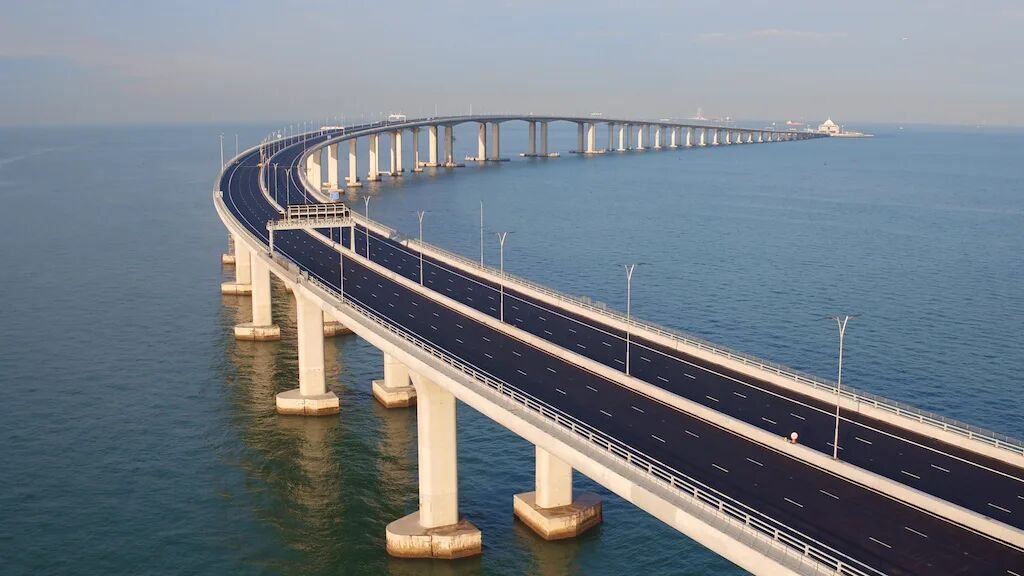
With the continuous expansion of my country’s road network infrastructure in recent years, one cross-sea bridge after another has sprung up, supporting countless high-speed trains and cars, bringing immense convenience to commuting, logistics, tourism, and other sectors, creating a stunning landscape against the azure waters of the ocean.
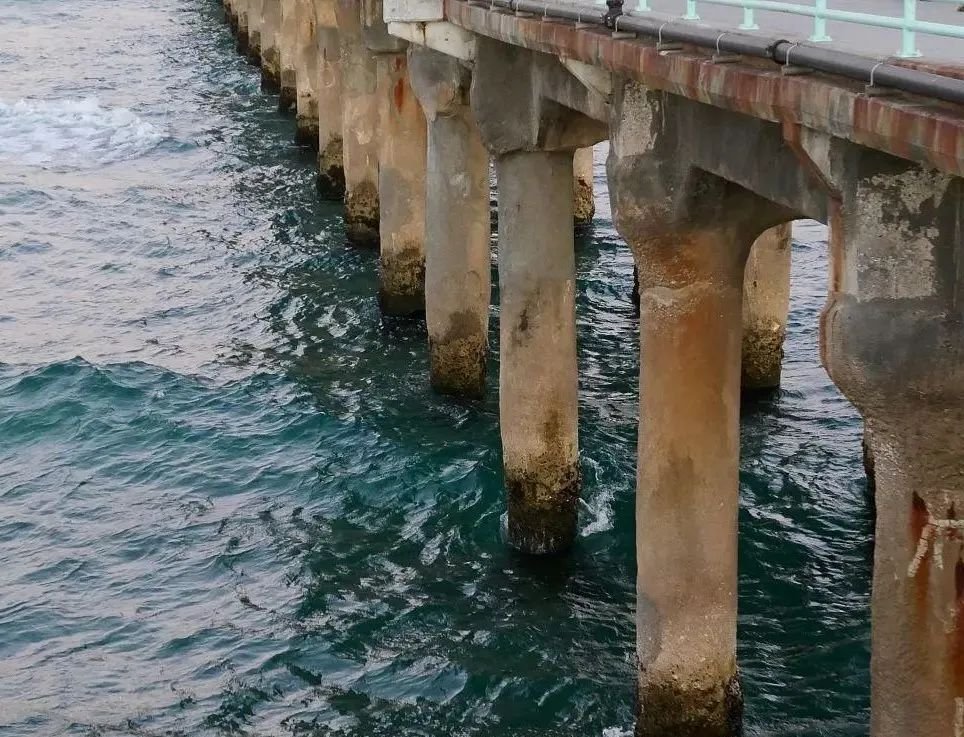
However, in marine environments, corrosive media such as high humidity and salt spray can significantly impact bridge structures and ancillary facilities. To extend bridge life, ensure traffic safety, and minimize economic losses, effective corrosion protection for marine bridges is crucial. Consequently, various types of marine bridge anti-corrosion coatings have garnered significant industry attention.
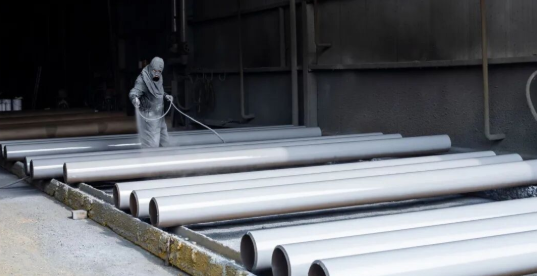
1.Chromium-free zinc-aluminum anti-corrosion coating
While traditional chromium-containing anti-corrosion coatings offer significant corrosion protection, the environmental and health risks posed by chromium are significant. Researchers are continuously developing relatively non-toxic and harmless alternatives. Chromium-free zinc-aluminum coatings utilize molybdates and tungstates as passivating agents. These new passivating agents offer superior chemical stability and environmental safety compared to traditional hexavalent chromium. The passivation effect of molybdates and tungstates not only protects the metal substrate from corrosion but also forms a dense protective layer that blocks the intrusion of corrosive media.
In practice, chromium-free zinc-aluminum coatings have been widely used on marine bridges and offshore structures, significantly extending their service life and reducing maintenance and repair costs. Chromium-free zinc-aluminum coatings also possess strong self-healing capabilities. Even if the coating is damaged, the exposed areas react with moisture in the surrounding environment to form a new protective oxide layer, preventing further corrosion.
2.Nanomaterial modified anti-corrosion coatings
The introduction of nanomaterials has revolutionized the traditional anti-corrosion coatings industry. The application of nanotechnology has significantly enhanced the anti-corrosion performance of coatings, particularly in microscopic corrosion protection. Nanomaterials such as carbon nanotubes, graphene, nanosilica, and nanometal oxides, with their unique physical and chemical properties, significantly enhance anti-corrosion coatings by improving mechanical strength, chemical stability, and UV protection.
For steel structures exposed to the elements year-round, such as bridges, the addition of nanomaterials effectively protects against UV rays and corrosive media. They not only improve coating adhesion and abrasion resistance, reducing damage from mechanical wear, but also enhance chemical stability and water resistance. These properties enable nano-modified coatings to maintain their integrity under mechanical stress, significantly reducing maintenance requirements and long-term operating costs. Combined with their crack and spalling resistance, they are particularly suitable for applications requiring long-term corrosion protection, such as marine bridges.
3.Fluorocarbon coating
Fluorocarbon coatings, due to their unique chemical structure and excellent physical properties, have become one of the preferred anti-corrosion coatings for the bridge and construction industries. Their C−F bond structure provides excellent chemical stability and weather resistance, making the coatings resistant to attack by a variety of chemicals, including acids, alkalis, and salts, while also protecting against UV rays and humid environments. Fluorocarbon coatings are particularly suitable for protecting metals in harsh environments, such as marine climates and heavily polluted industrial areas.
Fluorocarbon coatings’ self-cleaning properties are another major advantage: dirt and other foreign matter are difficult to adhere to their surfaces, and rainwater easily washes them away. Their gloss and color retention make them particularly suitable for applications requiring high aesthetic standards. These applications extend beyond bridge corrosion protection to include building exteriors, aircraft coatings, and ship coatings, where durability and aesthetics are crucial. Fluorocarbon coatings maintain their pristine appearance even under continuous exposure to salt spray, moisture, and sunlight, significantly reducing maintenance frequency and costs.
4.Epoxy coating
Epoxy coatings, composed of epoxy resins and specialized curing agents, offer exceptional performance, forming a remarkably strong protective layer on a variety of surfaces. Known for their superior mechanical properties, excellent bonding strength, and exceptional chemical stability, epoxy coatings are a favorite for heavy industry and critical infrastructure protection. They are widely used not only for bridge protection but also in applications such as petrochemical facilities, offshore platforms, and industrial water treatment, where extreme chemical corrosion and physical abrasion are common.
Another key property of epoxy coatings is that the cured coating exhibits very low permeability, effectively blocking moisture and corrosive chemicals. This makes epoxy coatings excellent for waterproofing and corrosion protection, making them particularly suitable for structures requiring long-term protection. During the curing process, epoxy coatings form strong chemical bonds with a variety of materials, such as metals, concrete, and wood, making them highly effective in repairing damaged structures, restoring or even enhancing the structural strength of existing materials. In practice, epoxy coatings are used not only in new bridge construction but also in the repair and maintenance of older bridges.
5.Polyurea coating
Polyurea coatings are high-performance polymer coatings composed of isocyanates and polyamines that react rapidly to form a protective layer with high abrasion and chemical resistance. Polyurea’s chemical structure imparts outstanding physical properties, including exceptionally high abrasion and tear resistance, as well as strong impact resistance. Furthermore, polyurea coatings offer excellent water resistance and a fast cure rate, making them ideal for rapid repair and protection in harsh environments. Polyurea coatings are widely used in applications ranging from industrial flooring and pool waterproofing to bridge corrosion protection and automotive interiors.
In the bridge corrosion protection field, polyurea coatings, due to their excellent chemical resistance and rapid reaction time, quickly form a sealed protective film on the bridge surface, effectively preventing the intrusion of salt, moisture, and other corrosive substances. Furthermore, polyurea coatings exhibit excellent elasticity, meaning they maintain their coating integrity despite thermal expansion and contraction, as well as minor structural deformations. This is particularly important for heavily loaded structures like bridges, which are subject to harsh environments. At the same time, polyurea coatings have excellent wear resistance and impact resistance, and can protect structures from damage even under extreme conditions such as sandstorms, freezing or ocean gravel erosion.
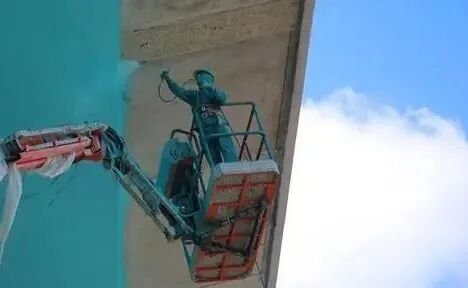
Technological advances in anti-corrosion coatings are providing innovative, environmentally friendly, and cost-effective solutions for protecting marine bridges from corrosion. Ensuring both appearance and performance, while balancing durability and self-healing properties, is a common development trend across many types of bridge anti-corrosion coatings.
The integration and application of new technologies not only enhances the long-term effectiveness and safety of these “heavy weapons” but also provides reliable guarantees for strengthening economic and transportation arteries, facilitating transportation and travel.