Address
Room 2301C, 23rd Floor, Building 1, jinghu Commercial center, No, 34, Liangzhuang Street, Eri District, Zhengzhou City, Henan province
Woours
Monday to Friday: 7AM - 7PM
Weekend: 10AM - 5PM
Address
Room 2301C, 23rd Floor, Building 1, jinghu Commercial center, No, 34, Liangzhuang Street, Eri District, Zhengzhou City, Henan province
Woours
Monday to Friday: 7AM - 7PM
Weekend: 10AM - 5PM

Application Areas
Offshore facilities: Offshore oil drilling platforms, coastal and bay structures, and other offshore facilities are exposed to the harsh marine environment for extended periods, subject to erosion and corrosion from seawater. Anti-corrosion coatings can protect these facilities from corrosion and extend their service life.
Petrochemical equipment: During petrochemical production, equipment and pipelines are frequently exposed to various corrosive media, such as acids, alkalis, and salts. Anti-corrosion coatings form a protective film that isolates these media from the equipment surface, protecting it from corrosion.
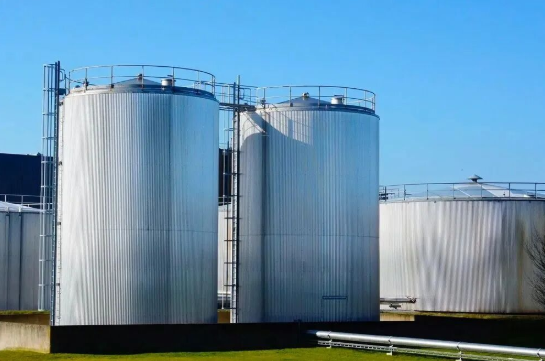
Storage tanks and pipelines: Storage tanks and pipelines in the petrochemical industry are crucial for storing and transporting corrosive media. Anti-corrosion coatings can enhance the corrosion resistance of these equipment, preventing leaks and environmental contamination.
Corrosion protection type
Acid-Resistant Heavy-Duty Anti-Corrosion Coating: This coating, composed of nano-alumina, nano-zirconia, and nano-titanium oxide, offers excellent resistance to acids, alkalis, corrosion, and heat. It is suitable for various mechanical equipment and facilities in chemical industrial environments, and is particularly well-suited for long-term corrosion protection of steel and concrete structures.
Epoxy Coal Tar Paint: This high-performance anti-corrosion coating is widely used in the petroleum and chemical industries. It provides corrosion protection for equipment such as storage tanks and pipelines, extending their service life.
Flake Glass Heavy-Duty Anti-Corrosion Coating: Flake glass refers to thin, 3-4μm-thick glass flakes. Mixed with synthetic resin to create a coating, it effectively prevents metal from being penetrated by corrosive ions and rainwater. This coating is widely used on offshore oil drilling platforms and in industrial crude oil storage.
Epoxy heavy-duty anti-corrosion coatings: These coatings primarily use epoxy resin as a base, with special rubber, asphalt, and petroleum resin added to optimize their properties. They form dense, impermeable films that effectively shield steel surfaces from moisture, oxygen, and corrosive media.
Construction precautions
Surface Preparation: Before applying anti-corrosion paint, pre-treat the surfaces of equipment and plant buildings, such as removing rust and oil, to ensure a smooth, free-from surface.
Coating Procedure: Follow the paint instructions to control the coating thickness and number of coats. Care should be taken to avoid missing areas and uneven application.
Application Environment: Ensure a dry, well-ventilated environment during application. Avoid humid, rainy, or overcast weather. Avoid contact of paint with eyes and skin during application. If splashed, rinse immediately with plenty of water.
Application Effect
Anti-corrosion coatings are highly effective in the petrochemical industry, effectively extending the service life of equipment and facilities and reducing maintenance costs. They also protect the environment and personnel, preventing leaks and pollution caused by corrosion.
In summary, the application of anti-corrosion coatings in the petrochemical industry is widespread and important. Selecting the right anti-corrosion coating and following the correct application methods are key to ensuring the long-term and stable operation of equipment and facilities.