Address
Room 2301C, 23rd Floor, Building 1, jinghu Commercial center, No, 34, Liangzhuang Street, Eri District, Zhengzhou City, Henan province
Woours
Monday to Friday: 7AM - 7PM
Weekend: 10AM - 5PM
Address
Room 2301C, 23rd Floor, Building 1, jinghu Commercial center, No, 34, Liangzhuang Street, Eri District, Zhengzhou City, Henan province
Woours
Monday to Friday: 7AM - 7PM
Weekend: 10AM - 5PM

1. Terms and Definitions
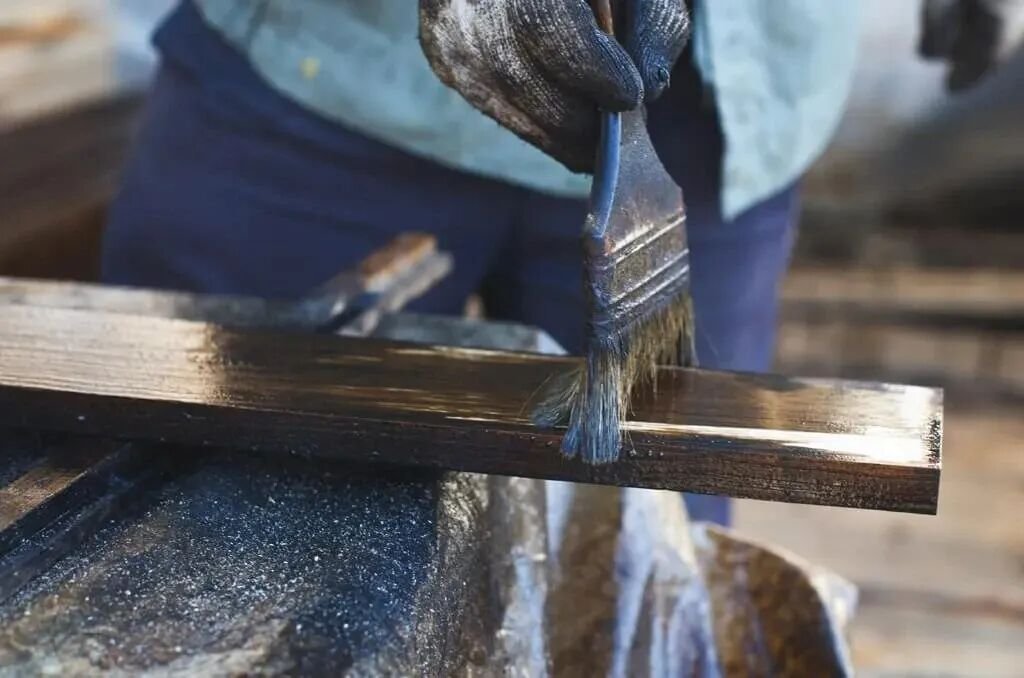
Conductive coatings are functional coatings applied to non-conductive substrates to impart a degree of conductivity. They impart electrical conductivity, providing antistatic, conductive, and electromagnetic shielding properties. Conductive coatings can be categorized into two types: intrinsic and filled, depending on their structure and conductivity mechanism.
Filled (also known as blended or composite) conductive coatings typically consist of an insulating resin and conductive fillers. Before the coating cures, the base resin and conductive filler exist independently, discontinuously, and in an insulating state. After curing, the solvent evaporates, and the base resin and filler mix and solidify, forming a tight bond between them, thus generating conductivity.
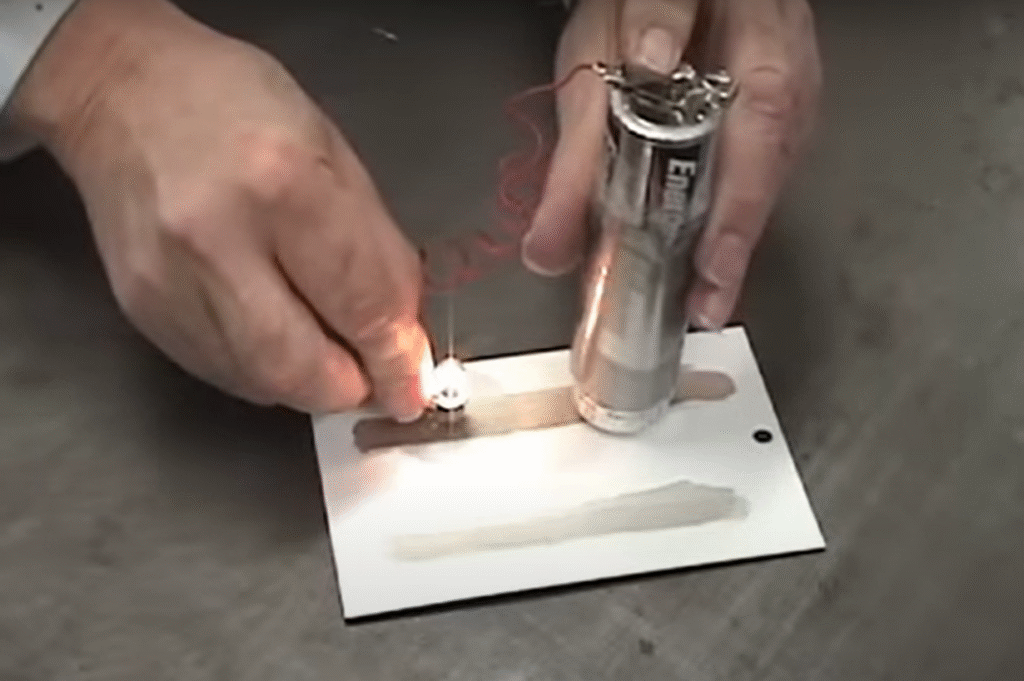
Conductive agents for coatings are functional additives primarily used to impart conductivity to coatings, preventing static electricity buildup, shielding against electromagnetic interference, and improving corrosion resistance.
Three key factors are considered when selecting conductive agents for coatings: conductivity, dosage, and cost. Better conductivity results in lower impedance and polarization, which are beneficial for electrical performance. A low dosage provides space for positive and negative electrode active materials, thereby increasing energy density. Low cost also facilitates scalable production of conductive agents.
2.Classification of conductive agents
Conductive agents can be roughly divided into five categories:
(1) Metal-based conductive agents: silver powder, copper powder, nickel powder, etc. Metal powder is a typical conductive filler. Copper and nickel are easily oxidized, resulting in reduced conductivity, while gold and platinum are expensive, so silver powder is one of the ideal and widely used conductive fillers.
(2) Metal oxide-based conductive agents: tin oxide, iron oxide, zinc oxide, etc.
(3) Carbon-based conductive agents: carbon black, graphite, carbon nanotubes, etc.
(4) Composite conductive agents: composite powder and composite fiber.
(5) Other conductive agents.
Among them, silver powder accounts for about 60%, carbon nanotubes account for about 30%, and the others are mainly metal oxides, etc. Silver powder dominates due to its strong conductivity and stability, while carbon nanotubes are more popular in the mid- and low-end markets due to their cost advantages.
3.Introduction to Several Commonly Used Conductive Agents
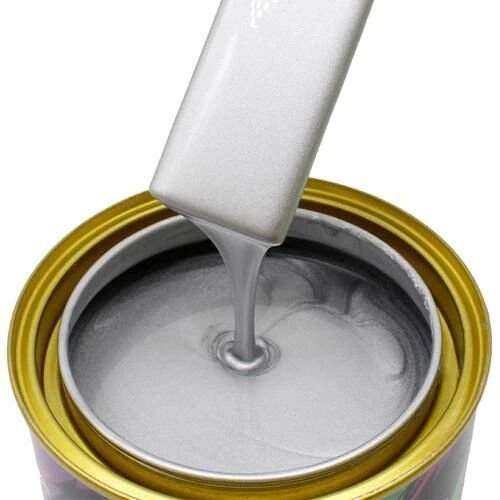
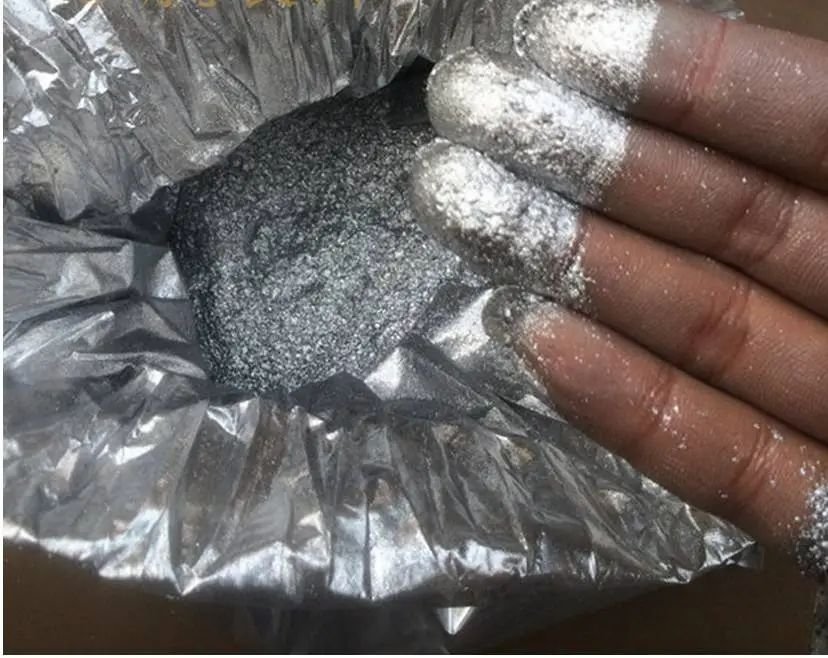
1). Silver: Metallic silver has excellent electrical and thermal conductivity. It comes in various forms, including spherical, flake, flat, dendritic, and spongy. Its conductivity is often related to the particle size of the silver powder; smaller particles have higher conductivity, but it is relatively expensive.
2). Copper: Its volume conductivity is similar to that of silver, but it is cheaper. However, its disadvantage is that it easily oxidizes in air, resulting in a loss of conductivity. This can be improved by adding reducing agents (such as hydroquinone derivatives). In copper-based electromagnetic shielding coatings, the addition of additives (such as coupling agents and organic bentonite) can improve performance.
3). Nickel: Its stability lies between that of silver powder and copper powder. It is not susceptible to rust in the atmosphere and is resistant to caustic soda. It is commonly used in electromagnetic shielding coatings and is often combined with silver to form a composite conductive agent. It can also be combined with aluminum boron and other materials to form a powder conductive agent.
4). Tin oxide: Pure tin oxide is an insulator. It becomes a semiconductor only when its composition deviates from the stoichiometric ratio, lattice defects are introduced, or it is doped. Antimony-doped tin dioxide (ATO) is a new multifunctional transparent antistatic and conductive material, with the advantages of nanostructures being more pronounced. ATO conductive films exhibit excellent adhesion to substrates, high mechanical strength, and are unaffected by climate and operating environments.
5). Zinc oxide: Zinc oxide has a unique “whisker” structure (three-dimensional, four-needle structures, each of which is a single-crystal microfiber). It is a semiconductor material with tunable internal charge carriers and lattice active oxygen. When dispersed in a coating, its four-needle microstructure forms a highly efficient conductive network. As a new inorganic functional material, zinc oxide whiskers not only possess semiconductor properties but also excellent mechanical properties, high-temperature resistance, and thermal conductivity. Their low coefficient of expansion improves the material’s chemical and dimensional stability at high temperatures. Therefore, they are considered a high-performance conductive filler with promising applications in conductive coatings and other fields.
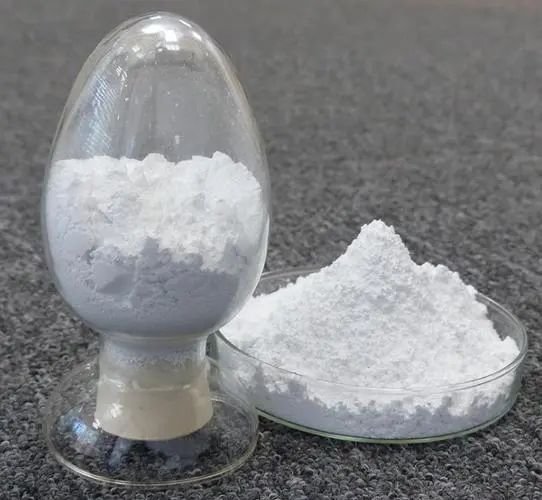
6). Titanium dioxide: Its conductive properties are stable and have a certain hiding power. Antistatic coatings formulated with titanium dioxide exhibit excellent oil resistance, corrosion resistance, and physical and chemical properties, and can be produced as white antistatic coatings.
7). Carbon Black: Spherical carbon black particles are amorphous crystals composed of several types of crystallites with no fixed orientation. Smaller particles increase surface area and improve conductivity; higher volatile matter content results in lower conductivity; lower ash content results in better conductivity. Because carbon black particles have strong cohesive forces, they have weak affinity with other substances (polymers, water, and organic solvents), making them difficult to disperse or mix evenly.
8). Graphite: The properties of graphite depend on its structure. In graphite crystals, carbon atoms form covalent single bonds with three neighboring carbon atoms via sp2 hybrid orbitals, forming a hexagonal network. Unhybridized p electrons are relatively free, equivalent to free electrons in metal crystals, giving graphite its electrical and thermal conductivity. Graphite can be used in conjunction with carbon black as a conductive filler in coatings.
4.Development Trends
From a material innovation perspective, new materials like carbon nanotubes and graphene are gradually replacing traditional metal powders, thereby balancing the performance and cost of conductive agents for coatings.
In terms of application, water- and oil-based conductive agents are more widely used in environmentally friendly coatings.