Address
Room 2301C, 23rd Floor, Building 1, jinghu Commercial center, No, 34, Liangzhuang Street, Eri District, Zhengzhou City, Henan province
Woours
Monday to Friday: 7AM - 7PM
Weekend: 10AM - 5PM
Address
Room 2301C, 23rd Floor, Building 1, jinghu Commercial center, No, 34, Liangzhuang Street, Eri District, Zhengzhou City, Henan province
Woours
Monday to Friday: 7AM - 7PM
Weekend: 10AM - 5PM

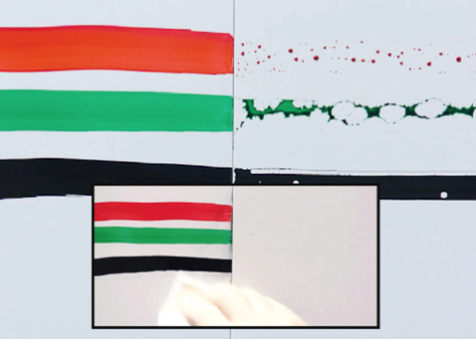
Polysilazanes are a type of inorganic/organic hybrid polymer material with Si-N bonds as the main chain. They have excellent thermal stability, chemical inertness and ceramic properties.
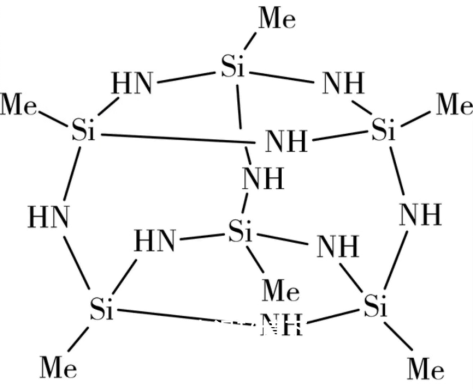
1.Synthesis Method
1).Precursor method (ammoniolysis method)
Raw materials: Chlorosilanes (e.g., Cl₃Si-R-SiCl₃, where R is an organic group) react with ammonia (NH₃) or a primary amine.
Process: Removal of HCl forms Si-N bonds, resulting in the formation of polysilazanes. For example, the synthesis of hexamethyldisilazane [(CH₃)₃Si]₂NH.
Features: Mild reaction conditions, but humidity and byproducts must be strictly controlled.
2).Catalytic polycondensation method
Catalyst: Alkaline catalysts (such as KNH₂, organolithium reagents) or transition metal complexes.
Monomer: Silazane monomers (such as H₂Si-NH₂-SiH₂) condense under the action of a catalyst, removing H₂ to form polymer chains.
Features: The molecular weight and crosslinking degree can be controlled, making it suitable for the preparation of high-performance ceramic precursors.
3). Sol-gel method
Steps: Silazane monomers undergo hydrolysis and condensation in a solvent to form a three-dimensional network gel, which is then dried to yield polysilazane.
Application: Suitable for preparing thin films, coatings, or porous materials.
4). Ring-opening polymerization
Monomer: Ring-opening polymerization of cyclic silazanes (such as octamethylcyclotetrasilazane) in the presence of a catalyst (such as BuLi).
Features: The product has a narrow molecular weight distribution and a controllable structure.
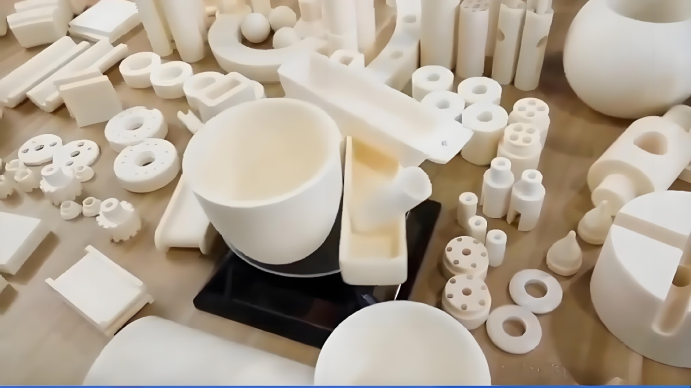
2.Application Areas
1).Ceramic Precursors
High-temperature ceramics: Polysilazane is pyrolyzed at high temperatures (1000–1500°C) in an inert atmosphere to produce Si₃N₄, SiC, or SiCN ceramics, which are used in aerospace engine components and high-temperature coatings.
Fiber-reinforced ceramic matrix composites (CMCs): Fiber-reinforced ceramic matrix composites (CMCs) are impregnated with polysilazane and then pyrolyzed to improve the mechanical properties of the material.
2).Protective coating
Anti-oxidation/corrosion-resistant coatings: Coated on metal or alloy surfaces to protect against high-temperature oxidation and chemical corrosion.
Water-repellent coatings: Used on electronic devices or optical components to provide hydrophobic protection.
3).Composite material matrix
Resin modification: Used as a modifier for organic resins (such as epoxy resins) to improve heat resistance and mechanical strength.
Nanocomposites: Composited with carbon nanotubes and graphene to create high-performance functional materials.
4).Electronics and Semiconductors
Dielectric layer: A low-k dielectric material used in integrated circuits.
Packaging material: Protects semiconductor devices from environmental corrosion.
5).Adhesives and bonding agents
High temperature resistant adhesive: used for high temperature bonding of ceramics and metals, such as repairing aircraft engine parts.
6).Biomedical Materials
Biocompatible coating: used on the surface of medical devices, combining corrosion resistance and biological inertness.
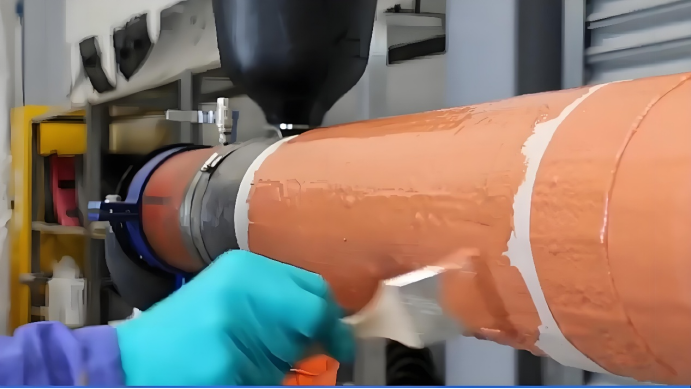
3.Research progress and challenges
Green synthesis: Developing low-toxic catalysts and environmentally friendly processes.
Precise structural control: Optimizing the composition and properties of cracking ceramics through molecular design.
Multifunctionalization: Introducing elements such as boron and aluminum to expand the material’s application in extreme environments.
Due to its unique properties, polysilazane has broad prospects in aerospace, energy, electronics and other fields. Future research will focus on cost reduction and breakthroughs in large-scale preparation technology.