Address
Room 2301C, 23rd Floor, Building 1, jinghu Commercial center, No, 34, Liangzhuang Street, Eri District, Zhengzhou City, Henan province
Woours
Monday to Friday: 7AM - 7PM
Weekend: 10AM - 5PM
Address
Room 2301C, 23rd Floor, Building 1, jinghu Commercial center, No, 34, Liangzhuang Street, Eri District, Zhengzhou City, Henan province
Woours
Monday to Friday: 7AM - 7PM
Weekend: 10AM - 5PM

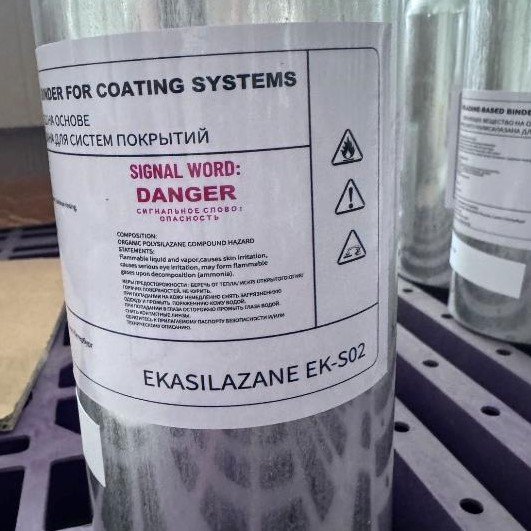
Ceramic precursor polymers with alternating silicon and nitrogen structures in the main chain
Silazane polymers, also known as polysilazane (PSZ), are a class of inorganic polymers whose backbone is composed of alternating silicon and nitrogen atoms. As a novel functional material, they combine the processability of organic polymers with the high-temperature stability of inorganic ceramics. Silazane polymers can be converted into silicon carbide, silicon nitride, or silicon-oxygen-nitrogen-carbon ceramics at high temperatures, and are therefore often used as precursors for the preparation of advanced ceramic materials, known as “ceramic precursors.”
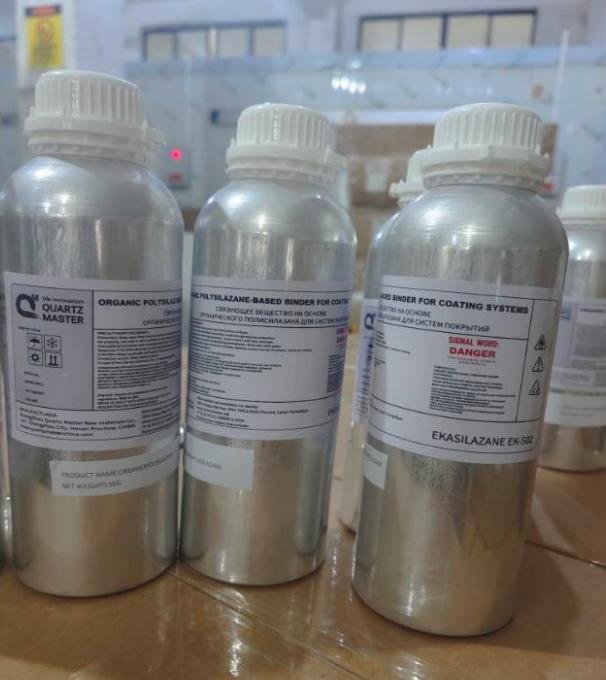
First discovered in 1921, this material has undergone nearly a century of development, with its preparation techniques and application areas continuously expanding. Thanks to its excellent corrosion resistance, oxidation resistance, radiation resistance, and insulation properties, silazane polymers play a vital role in aerospace, semiconductor manufacturing, new energy, and high-temperature anti-corrosion coatings.
Basic Information
Name: Silazane Polymers
Alternative Names: Polysilazane
Applications: Ceramic materials, high-temperature coatings, semiconductor packaging
Discipline: Polymer Materials Science
Author: A. Stock
Date of Announcement: 1921
Brief History of Development
Early discovery
Research on silazane polymers began in the early 20th century. In 1921, German chemist A. Stock and others first reported the preparation of polysilazanes using ammonia to ammonolyze chlorosilanes, a discovery that opened the door to exploration in this field. In the following decades, research mainly focused on synthesizing simple cyclic silazane oligomers and classifying and studying their fundamental properties. Due to the relatively complex preparation process of polysilazanes at the time and the high reactivity of the products, the development of this material was initially slow, mainly remaining at the laboratory research stage.
Technological breakthrough
Following World War II, with the successful commercialization of polysiloxanes (i.e., common organosilicones), the scientific community developed a strong interest in polysilazanes with similar structures. In the 1950s and 60s, researchers attempted to prepare polysilazanes using methods such as ring-opening polymerization, aiming to develop a polymer material with excellent thermal stability.
In 1976, Japanese scientists S. Yajima et al. successfully prepared silicon carbide (SiC) fibers by pyrolyzing polysilanes, commercially known as Nicalon. This technological breakthrough greatly advanced the research process of preparing ceramic fibers using polymer precursor methods. Subsequently, polysilazanes, as potential precursors for preparing silicon nitride (Si₃N₄) and silicon-carbon-nitrogen (Si-C-N) ceramic fibers, quickly became a research hotspot in materials science.
In the 1990s, R. Reidel’s research group successfully prepared Si-B-C-N ceramics with a temperature resistance up to 2200℃ by introducing boron (B) into polysilazanes, further expanding the application potential of polysilazanes. Subsequently, various modified polysilazanes were developed for the preparation of functional materials such as magnetic ceramics, antibacterial ceramics, and anti-crystallization ceramics. In the 21st century, with the increasing demand from high-tech fields such as semiconductors and aerospace, significant progress has been made in the preparation technology and application research of polysilazanes. Institutions such as the Institute of Chemistry, Chinese Academy of Sciences, have also successfully developed the PSN series of polysilazane products.
Physicochemical properties
Structural features
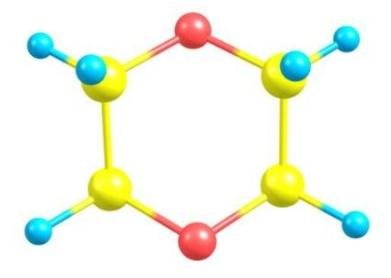
The backbone of silazane polymers consists of alternating silicon and nitrogen atoms, typically represented by the formula [-Si-N-]n. Based on the different side-chain substituents, their structures can be broadly classified into inorganic and organic polysilazanes. Inorganic polysilazanes (all-hydrogen polysilazanes) have side chains consisting entirely of hydrogen atoms, while organic polysilazanes contain organic groups such as methyl, phenyl, or vinyl groups in their side chains.
This unique “inorganic backbone + organic side group” structure is the foundation of their excellent properties. The silicon-nitrogen bond (Si-N) has approximately 30% ionic bonding characteristics, with a bond energy of about 360 kJ/mol, falling between the silicon-carbon bond (Si-C) and the silicon-oxygen bond (Si-O). This structure allows the polymer to exhibit flexibility and processability similar to organic polymers at room temperature, while at high temperatures it transforms into a highly stable inorganic ceramic structure.
Chemical properties
Silazane polymers exhibit high chemical reactivity, readily reacting with polar compounds such as water, alcohols, and acids. The silicon-nitrogen, silicon-hydrogen, and nitrogen-hydrogen bonds in the main chain readily undergo hydrolysis or alcoholysis, generating silanols which further condense to form cross-linked structures. In the presence of water or moisture, the silicon-nitrogen bonds break, releasing ammonia or amines, while simultaneously forming silanols, which then condense and dehydrate to form silicon-oxygen-silicon bonds, solidifying the polymer.
The most crucial chemical property of this material is its “ceramization” capability. Upon heating in an inert atmosphere, the organic side groups undergo cleavage, releasing small molecule gases (such as hydrogen, methane, and ammonia), while the silicon-nitrogen backbone of the main chain rearranges and densifies, ultimately transforming into silicon carbide, silicon nitride, or silicon oxide ceramics. This characteristic allows it to transform from a flexible liquid or solid polymer into a hard inorganic ceramic material.
Physical properties
Liquid polysilazane is generally soluble in organic solvents such as toluene, xylene, dibutyl ether, and esters, making it easy to form uniform films through processes such as spin coating and spraying. The cured polysilazane coating has extremely high hardness, reaching 8H to 9H or higher, and a Young’s modulus of 100 to 150 GPa, exhibiting excellent abrasion resistance and scratch resistance.
Regarding high-temperature resistance, the theoretical temperature limit of silazane polymers can reach 1800℃, and it maintains structural stability even under long-term use environments ranging from 400℃ to 1300℃. Furthermore, it possesses excellent insulation properties, with a dielectric strength exceeding 10⁵V/mm and a low dielectric constant, making it suitable for high-frequency electronic devices. The cured coating has extremely low surface energy, thus exhibiting excellent hydrophobicity, oleophobicity, and anti-graffiti properties.
Preparation method
Ammonolysis/Amine hydrolysis
This is currently the most commonly used method for the industrial preparation of polysilazanes, developed by Kruger and Rochow in 1964. This method typically uses chlorosilanes (such as dimethyldichlorosilane, methyltrichlorosilane, etc.) as raw materials, reacting them with ammonia (or amines) in the presence of an organic solvent. During the reaction, hydrogen chloride is removed, forming silicon-nitrogen bonds. This method is relatively mature and suitable for large-scale production, but the product molecular weight is usually low, and a large amount of ammonium chloride byproduct is generated during the reaction, requiring separation.
Ring-opening polymerization
This method is primarily used to prepare high-molecular-weight polysilazanes to meet the requirements of applications with high molecular weight requirements. First, cyclic silazane monomers (such as octamethylcyclotetrasilazane) are synthesized, and then ring-opening polymerization is carried out in the presence of a catalyst (such as butyllithium, ruthenium trichloride, etc.). Ring-opening polymerization can yield polymers with a narrow molecular weight distribution and regular structure, making them particularly suitable for preparing ceramic fibers or high-performance films.
Main categories
Inorganic polysilazane
Perhydropolysilazane (PHPS) consists entirely of hydrogen atoms in its side chains. Its key characteristics include high ceramic yield (over 80%) and the absence of carbon, minimizing the residue of free carbon during pyrolysis. PHPS is primarily used to prepare high-purity silicon oxide (SiO₂) or silicon nitride ceramic coatings, commonly found in semiconductor packaging and high-temperature corrosion-resistant applications requiring extremely high purity.
Organopolysilazane
Organic polysilazanes (OPSZs) contain organic groups such as methyl, phenyl, and vinyl groups in their side chains. These polymers exhibit better flexibility and processability, and have relatively low ceramization temperatures. Depending on the substituents, OPSZs can be classified into methyl polysilazanes, vinyl polysilazanes, etc. They are widely used in the preparation of high-temperature resistant fibers, carbon fiber surface modification coatings, and wear-resistant and corrosion-resistant coatings.
Application areas
Ceramic precursor
Silazane polymers are important precursors for the preparation of advanced ceramics. Through polymer conversion ceramics (PDC), they can be processed into fibers, films, or complex-shaped components, and then converted into silicon carbide (SiC), silicon nitride (Si₃N₄), or silicon carbon nitride (SiCN) ceramics via high-temperature pyrolysis. These ceramic materials possess characteristics such as lightweight, high strength, and high-temperature resistance, and are widely used in the manufacture of aerospace engine components and ceramic matrix composites.
High temperature resistant coating
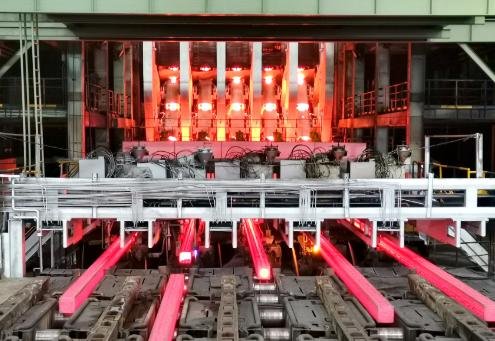
Due to their excellent high temperature resistance and oxidation resistance, silazane polymers are widely used as high temperature protective coatings. For example, coating it on metal surfaces (such as aircraft engine turbine blades and automobile exhaust pipes) can effectively block oxygen and corrosive media and extend the life of components. In addition, the super-hard coating formed after curing is also often used for wear-resistant treatment of metal surfaces.
Semiconductor packaging
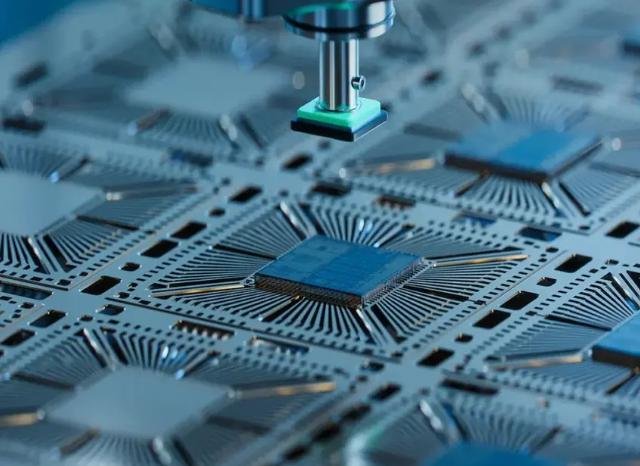
In semiconductor manufacturing, silazane polymers are primarily used to prepare spin-on dielectric layers (SOD). Utilizing their solution processability, uniform thin films can be formed through spin-on processes to fill trenches in microelectronic circuits (shallow trench isolation, STI), thereby reducing device size and improving circuit efficiency. Their excellent insulation and chemical resistance make them one of the key materials for manufacturing advanced chips with processes below 5nm.
Safety and Standards
Safety protection
Before curing, silazane polymers are typically flammable liquids that react violently with water to release ammonia gas, exhibiting corrosive and irritating properties. Therefore, protective clothing, gloves, and goggles should be worn during handling and storage, and the process should be carried out in a well-ventilated, dry environment. The cured polysilazane coating is non-toxic, flame-retardant, and has good biocompatibility, making it suitable for applications such as food packaging and medical supplies.
Standards and Specifications
Currently, China has issued some group standards for related monomers, such as T/FSI 004-2016 “Hexamethyldisilazane”. Regarding polysilazane resins themselves, there are currently no widely applicable national standards, but the industry typically refers to relevant chemical product standards and enterprise standards for production and acceptance. Internationally, multinational companies such as Merck have established strict enterprise standards to ensure the high purity and consistency of their products.
Market Status
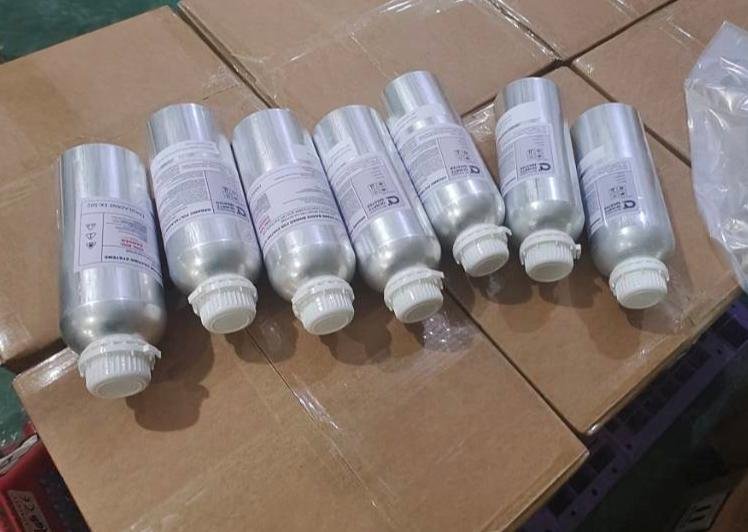
The global polysilazane market is currently dominated by a few multinational corporations such as Merck KGaA (Germany) and Clariant (Switzerland), which hold the vast majority of the high-end market share. However, with China’s rapid development in the semiconductor and new materials fields, domestic companies such as Zhengzhou Quartz Master New Materials Co., Ltd. and the Institute of Chemistry, Chinese Academy of Sciences, have made breakthroughs in the preparation and application technologies of polysilazane, gradually breaking the foreign monopoly and achieving domestic substitution for low- and mid-range products. They have also achieved import substitution in some high-end fields (such as 3D NAND chips). In the future, with the increasing demand from the aerospace and new energy industries, the polysilazane market is expected to maintain a high growth rate.
Need technical support or pricing information?
Our team can provide:
Check Product Details and Contact Us: [Polysilazane EK-S02]
Email:quartzmasterchina@gmail.com