Address
Room 2301C, 23rd Floor, Building 1, jinghu Commercial center, No, 34, Liangzhuang Street, Eri District, Zhengzhou City, Henan province
Woours
Monday to Friday: 7AM - 7PM
Weekend: 10AM - 5PM
Address
Room 2301C, 23rd Floor, Building 1, jinghu Commercial center, No, 34, Liangzhuang Street, Eri District, Zhengzhou City, Henan province
Woours
Monday to Friday: 7AM - 7PM
Weekend: 10AM - 5PM

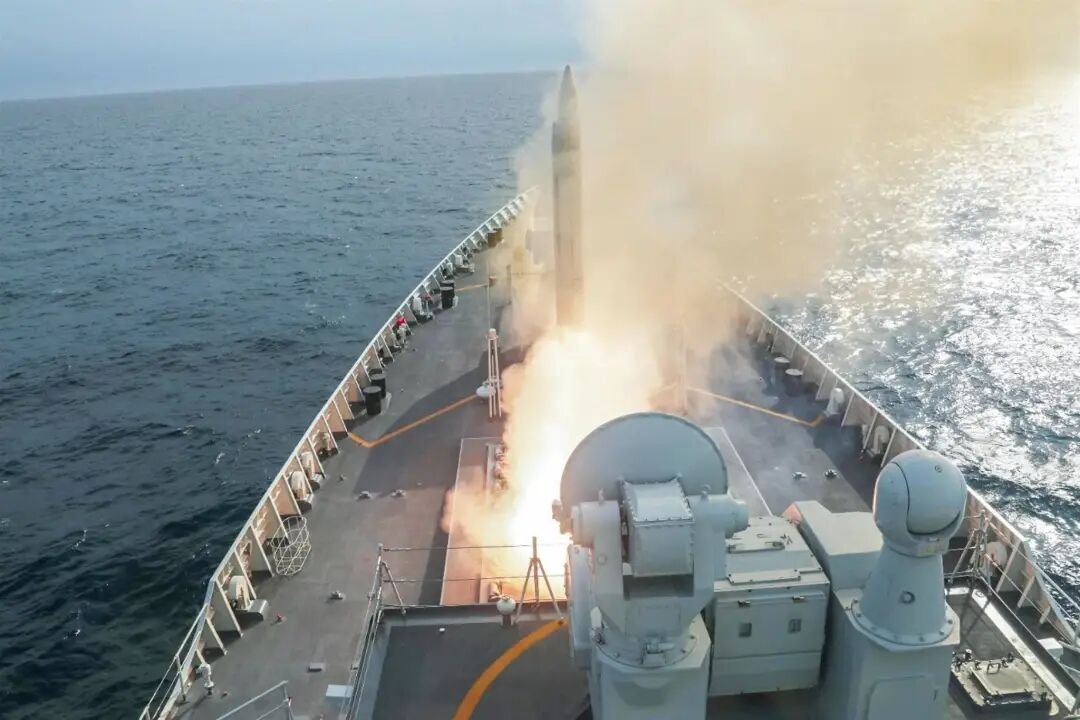
Ablative coatings are functional coatings designed to protect products from, or minimize the effects of, high-temperature environments. In high-temperature environments, ablative coatings absorb significant amounts of heat by dissipating the material itself, thereby preventing heat transfer to the material’s internal structure. Ablative coatings have widespread and important applications in aerospace, military weaponry, and specialized equipment.
1.Thermal protection mechanism of ablative coatings
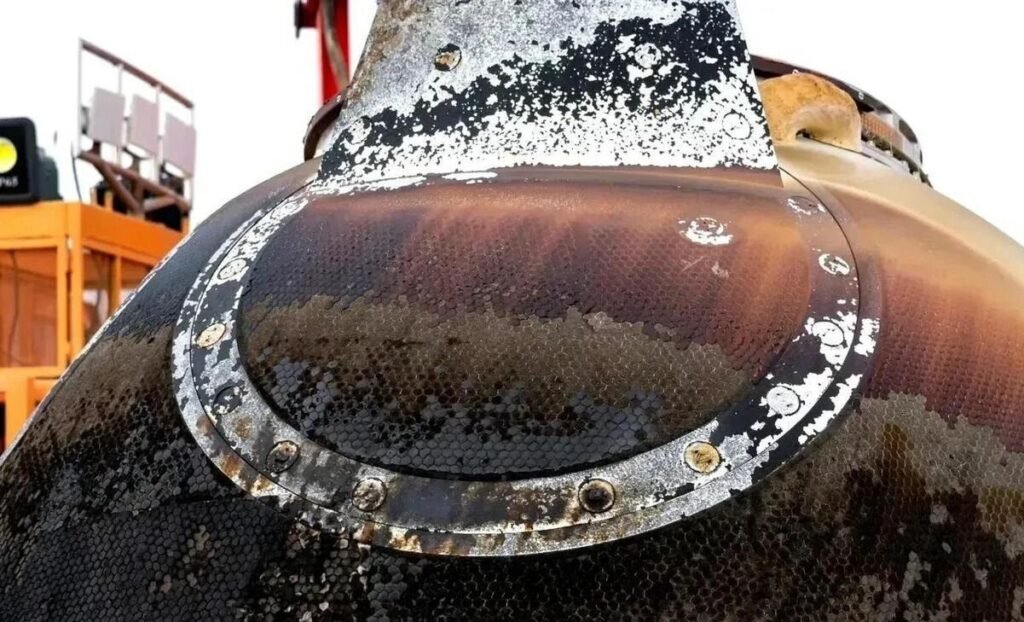
Ablation protection refers to the ability of a coating to undergo various physical and chemical changes in a heat flow environment, such as decomposition, melting, and sublimation, that absorb heat energy. This process dissipates significant amounts of heat through the material’s own mass loss, thereby preventing heat from entering the structure.
Ablation of coatings can be categorized as surface ablation and volumetric ablation. Surface ablation occurs on the coating surface and primarily involves mass loss caused by thermochemical reactions between the surface material and the ambient airflow, melting, sublimation, high-speed particle impact (erosion), and mechanical abrasion. Volumetric ablation refers to mass loss within the structure due to thermochemical reactions at lower temperatures (relative to surface ablation).
In a heat flow environment, heat is absorbed by the coating material and transferred internally. As heat continues to flow, the temperature gradually rises. When the coating material reaches its decomposition, melting, vaporization, or sublimation temperature, it absorbs significant amounts of heat due to phase change. Simultaneously, the material surface and the phase change products react chemically with the air in the boundary layer, forming a cooler gaseous layer. This layer of gas also absorbs some heat when diffusing into the boundary layer, and the diffusion increases the thickness of the boundary layer, lowering its average temperature, thereby significantly reducing the heat diffusion to the surface and effectively reducing the heat flowing to the protected substrate.

2.Required properties of ablative coatings
It is not difficult to see from the thermal protection mechanism of ablative coatings that ablative coatings must have the following properties:
(1) High carbonization rate, forming a dense carbon layer after ablation;
(2) High energy consumption during phase change and high heat consumption during ablation;
(3) A certain mechanical strength, strong resistance to ablation and gas flow erosion;
(4) A certain toughness, sufficient to withstand the expansion and thermal cycle strain of the protected area during ablation;
(5) Good adhesion of the coating to avoid shedding during use.
3.Material selection and application of ablative coatings
Matrix materials and fillers are crucial components of ablative coatings, and their selection influences their overall performance and various parameters.
Based on the matrix material, organic ablative coatings can currently be categorized as carbon-based and silicon-based. Carbon-based coatings, primarily based on epoxy resins and phenolic resins, suffer from rapid ablation rates and brittle, easily flaking properties. Silicon-based coatings, primarily based on silicone rubber and silicone resins, generally suffer from poor adhesion to substrates and easy peeling. Therefore, matrix material modification is necessary to achieve both low ablation rates and excellent adhesion.
To address this, various research teams have developed a variety of improved matrix materials, including blended epoxy-modified silicone resins, epoxy-modified vinyl silicone rubber, and boron-based phenolic resins. These have achieved significant breakthroughs in ablation resistance, toughness, thermal insulation, adhesion, and carbonization properties.
Fillers for ablative coatings require low density, a certain level of reactivity, and homogeneous stability, while also being well compatible with the substrate material. A variety of high-temperature and ablation-resistant materials, such as asbestos fiber, silica, boron nitride, metal oxides (aluminum oxide, zirconium dioxide, titanium dioxide), carbon black, glass fiber powder, and silicon carbide, have been investigated as fillers for ablative coatings. These fillers not only enhance the coating’s high-temperature resistance, thermal insulation, and mechanical strength, but also improve its surface condition when subjected to gas flow, enhancing high-temperature endothermic reactions. Nanotechnology has also enabled a more diverse and high-performance filler option, demonstrating promising experimental results in a variety of applications, including laser ablation protection, manned flight, cabin hulls, and engine linings.
In addition, composite coating structures for ablative coatings have garnered research attention in recent years. Combining organic and inorganic coatings, or organic coatings with varying performance characteristics, can effectively enhance the overall protective capabilities of the coating. Some composite coatings with ablation resistance and anti-corrosion functions not only provide safe and good use scenarios for carrier-based aircraft and ship-based missiles, but also provide good protection against marine corrosion of ships.