2 min
·
Technical articles
Why do we need polysilazane car coating?
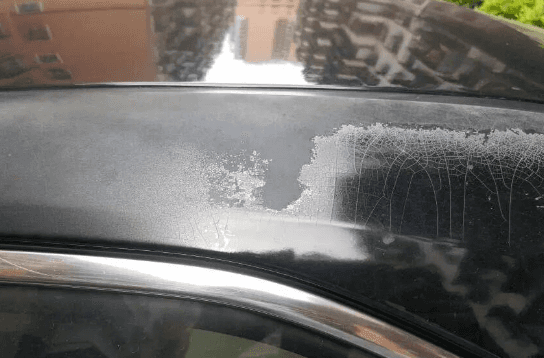
Exposure to sunlight and harsh air conditions can cause a visible oxide layer to form on car paint, causing it to fade and become rough.
The varnish on a new car's surface typically begins to oxidize within three months, rendering it less protective.
If paint protection isn't maintained, strong UV rays, annoying acid rain, and dust and sand can easily damage your car's paint.
Therefore, car paint needs certain protection measures! (especially new cars)

Current status of domestic and foreign auto beauty industry:
Domestic | Foreign |
Generally use resin type/glass fiber | Using nano-grade resin |
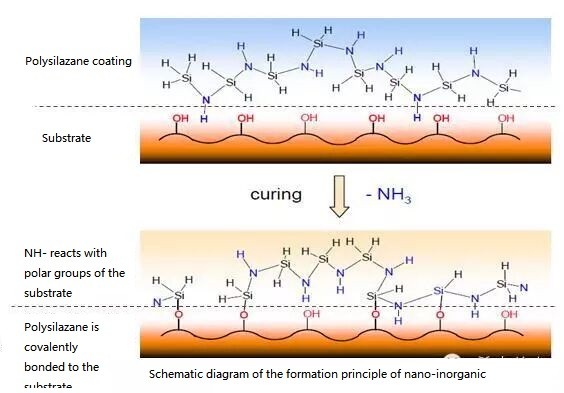
Main ingredient: silicone polymer resin | Main ingredient: Polysilazane nano-resin |
Principle: The mixed product of resin and additives evaporates to the additives to produce an attached resin layer. | Principle: Through chemical reaction, a new substance (quartz) is generated for nano-level adsorption, which has super strong adhesion. |
Protection duration: 1-3 months | Protection duration: more than 12 months |
Ordinary hydrophobic, not graffiti-resistant or penetration-resistant | Hydrophobic, oleophobic, anti-graffiti, anti-penetration, anti-mud and water |
Quartz master car nano coating:
We introduce the latest nanomaterials and hybrid technologies from abroad.
The main ingredient is polysilazane nano-polymer resin, and we utilize nano-level technology from raw materials to technology.
This product achieves hydrophobic and oleophobic properties, is graffiti-resistant, and resists penetration, cement and muddy water.
Compared to traditional domestic car detailing products, it lasts longer.
Main ingredients of automotive nanocoatings
Nanoorganic polysilazane
Environmentally friendly organic solvents
Special organic compounds
Construction steps of nano coating for automobile paint :
Cleaning the vehicle surface
Polishing and finishing
Cleaning and degreasing
Nanocoating
Construction steps of automotive glass nano coating :
Cleaning vehicle glass surfaces
Polishing and finishing; cleaning and degreasing
Nano-coating of automotive glass
Practical application note
Full technical details, TDS/SDS and samples for related Quartz Master products are available on request — contact our technical team.
In practice
Products and applications connected to this topic.