High-temperature Ceramic Coatings
Silazane-derived ceramic coatings for thermal and oxidation protection in high-heat industrial environments. Grades run from 300 °C service up to 1700 °C — see each product’s TDS for exact temperature ratings.

The grades
Grades in this family. Specifications are confirmed in the product TDS.

EK-M101
→
Flexible polysilazane for release and hydrophobic coatings
Flexible polysilazane rated below 600 °C in air — a step above the 500 °C liquid resins — for release coatings and hydrophobic surfaces.

EK-S1000
→
High-viscosity polysilazane for thick-film industrial coatings
High-viscosity heat-curing polysilazane for films 0.1–0.4 mm thick; 1000 °C peak service after ceramisation.

EK-S1301
→
Heat-curing polysilazane with 85–90% ceramic yield
Heat-curing binder resin with 85–90% ceramic yield and 8–9H hardness; base for hybrid coating systems.

EK-S1302
→
Flexible heat-curing polysilazane for resin modification
Heat-curing binder for modifying silicone, epoxy, acrylic and polyurethane resins; flexible film, contact angle 102–105°.

EK-S1303
→
Solvent-based polysilazane, full cure in one day
Solvent-based low-viscosity polysilazane with the fastest full cure in the range — one day — and contact angle 105–110°.

EK-S1501
→
Solvent-free fast-curing polysilazane resin
Solvent-free polysilazane resin curing at room temperature; 8–9H pencil hardness for scratch-resistant, easy-clean coatings.

EK-S1502
→
Solvent-based ultra-fast-curing polysilazane resin
Solvent-based low-viscosity polysilazane; tack-free in 20–30 minutes, 7–8H hardness, water contact angle 98–104°.

EK-SiBCN
→
Boron-modified polysilazane for wave-transparent and 1700 °C coatings
Boron-modified polysilazane rated to 1700 °C with wave-transparent properties and high-temperature self-healing; two viscosity grades.
Compare grades
How the grades in this family differ. Exact values are confirmed in each product TDS.
EK-M101
Solvent-free liquid resin
<600 °C in air
150 °C · 1–4 h
Release coatings; flexible film to 600 °C
EK-S1000
High-viscosity liquid resin
500 °C in air · 1000 °C peak
150 °C · 2–4 h
Thick films, 0.1–0.4 mm
EK-S1301
Solvent-free liquid resin
500 °C in air
150–200 °C, then 3–5 days ambient
Highest ceramic yield in the liquid range, 85–90%
EK-S1302
Solvent-free liquid resin
500 °C in air
200 °C, then 7–15 days ambient
Flexible film for resin modification
EK-S1303
Solvent-based liquid resin
500 °C in air
Ambient · full cure 1 day
Fastest full cure in the range — one day
EK-S1501
Solvent-free liquid resin
500 °C in air
Ambient · full cure 1–3 days
Hard 8–9H film, fast ambient cure
EK-S1502
Solvent-based liquid resin
500 °C in air
Ambient · full cure 3–7 days
Thin sprayable films, low viscosity
EK-SiBCN
Liquid resin, two viscosities
Up to 1700 °C in air
200–300 °C · 0.5–1 h
Wave-transparent; extreme temperature
* From each grade’s TDS. Final selection is confirmed during technical review.
Key properties
Typical properties of this family — exact values depend on product grade and are confirmed in the TDS.
High-temperature resistance
Sustained heat exposure, depending on product grade.
Oxidation protection
Dense inorganic barrier against oxidation and scaling.
Thermal cycling stability
Adhesion under repeated heating and cooling.
Corrosion resistance
Protection against moisture and chemical attack.
Ceramic layer formation
Converts to a hard ceramic layer on curing.
Substrate adhesion
Bonding to steel, stainless and other metals.
Applications
Industrial challenges where this material family is typically evaluated.

High-temperature Protection
→
Thermal and oxidation protection for demanding environments.
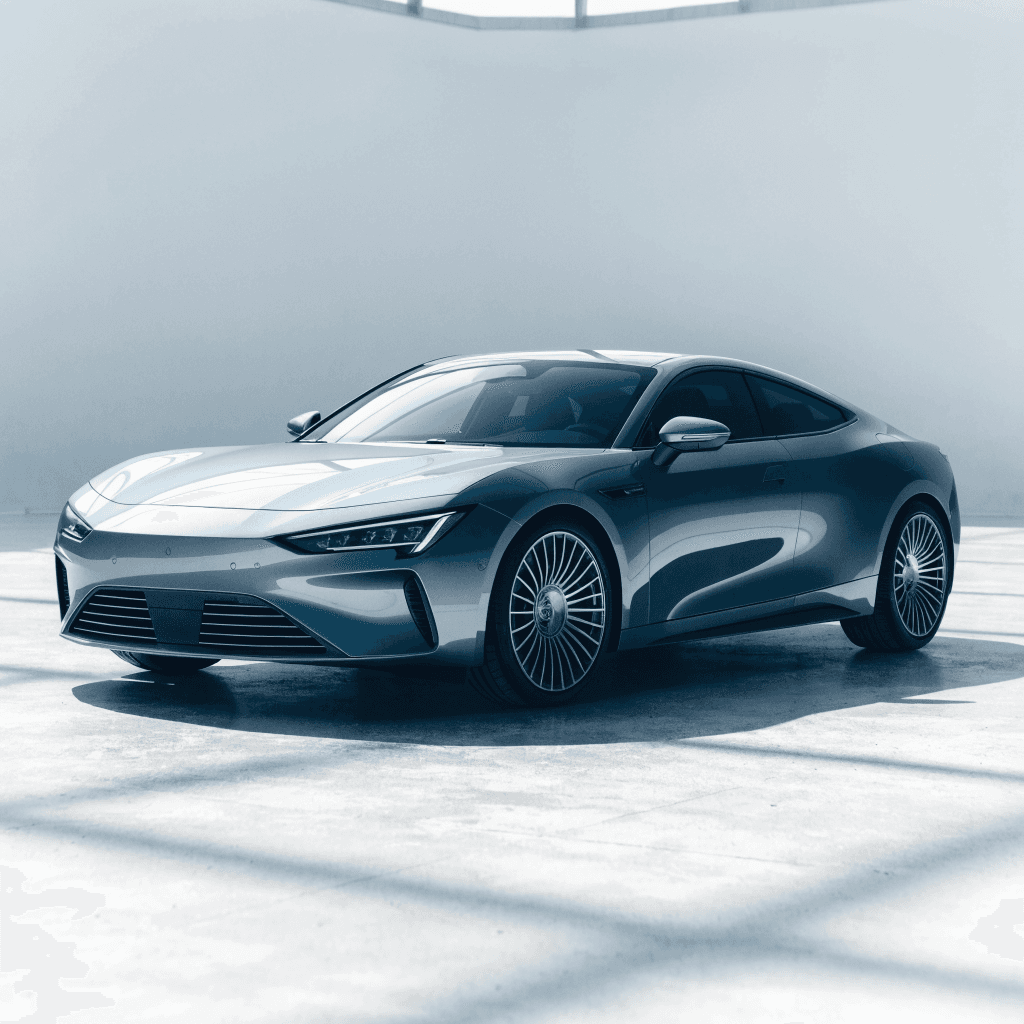
Automotive Coatings
→
Industrial automotive applications and component protection.

Electronics & Energy
→
Protective and insulating layers for components and systems.

Industrial Metal Protection
→
Corrosion, chemical and thermal protection for metal parts.
Documents
Request the documents you need, or start a guided evaluation — everything is provided per product grade.
FAQ
Common questions about this material family.
How do the grades in this family differ?
The grades differ in temperature range and application profile — exact values are in each product TDS. Send your operating conditions and we will recommend a grade.
Can I test the material before committing to volume?
Yes — sample support is available for qualified B2B projects after a short technical review.
Which substrates are compatible?
Steel, stainless and other metals are typical. Compatibility for a specific substrate is confirmed per grade in the TDS.
How is this different from conventional high-temperature paint?
Silazane-derived coatings convert to a dense ceramic layer, designed for service beyond the range of conventional organic paints. Comparative data is available on request.
What is the minimum order quantity?
MOQ depends on the product and packaging format — to be confirmed with our team for your grade.
Send request
From first enquiry to qualified bulk supply — send your requirements below.
01
Send requirement
Application, substrate and performance target.
02
Get recommendation
Suitable material family and product grade.
03
Receive TDS/SDS, catalog & sample
Documentation and sample for evaluation.
04
Test material
Validate on your substrate and process.
05
Confirm & bulk supply
Specification agreement and ongoing supply.
About high-temperature ceramic coatings
These coatings form a dense ceramic layer on metal components exposed to sustained heat, oxidation and thermal cycling — exhaust systems, furnaces, burners, heat shields and industrial process equipment. They are evaluated by engineers and coating manufacturers who need protection beyond the range of conventional organic paints.